7 Smart Vending Machine Tips for Global Buyers?
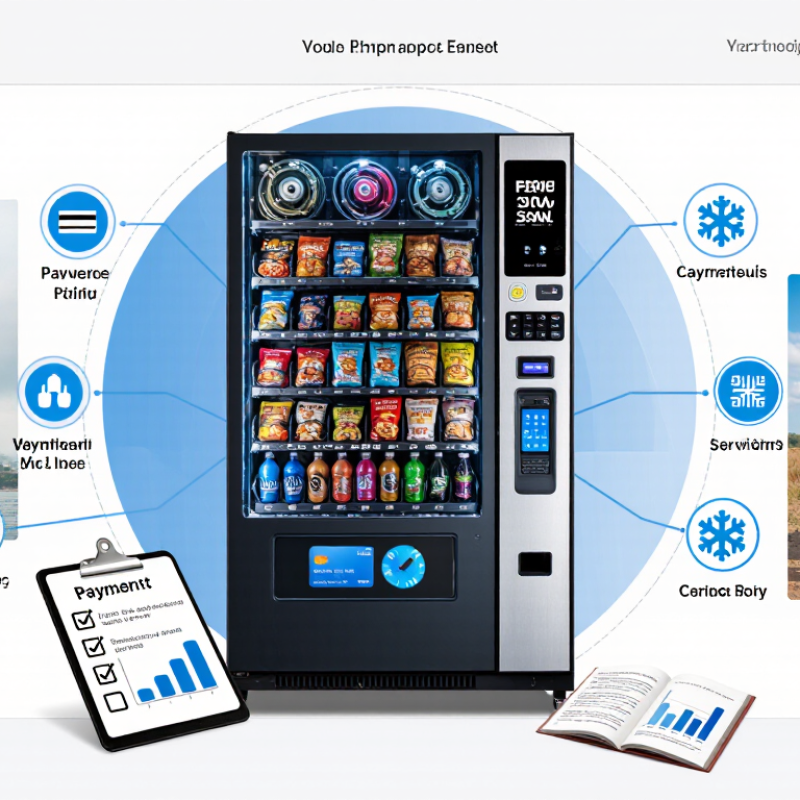
Buying a vending machine for an international market involves more than comparing prices and screen sizes. A reliable buyer studies payment options, voltage range, refrigeration performance, and service coverage. “Vending Machine Smart” should mean practical intelligence, not merely a bright touchscreen. It should track inventory, detect temperature changes, and provide clear sales data. In a humid coastal city, sealed electronics may matter more than a larger display. In a remote town, local technicians and spare parts can decide whether the machine remains profitable. These details often appear after installation, when mistakes become expensive. I have seen buyers focus on capacity and forget delivery access, door width, or software language. Details matter.
This guide presents seven practical tips for global buyers evaluating machines, suppliers, and operating costs. It covers product selection, payment security, energy use, warranty terms, monitoring, accessibility, and regional compliance. Requirements differ across countries, cities, and product categories. Buyers should verify current rules with qualified local advisers. Certificates deserve careful checking. A logo alone proves little without matching documentation and scope. Ask for test reports, installation instructions, sample data, and references from similar climates. Request a live demonstration before signing. Test a failed payment, an empty slot, and a network interruption. Perfect forecasts are impossible. A cautious pilot may reveal more than a polished sales presentation. The strongest decision balances customer needs, technical evidence, and honest after-sales support.
Identify Your Market, Customers, and Product Requirements
7 Smart Vending Machine Tips for Global Buyers
Identify Your Market, Customers, and Product Requirements
A vending machine succeeds when it matches a specific place and customer habit. Study foot traffic, purchasing times, weather, and nearby alternatives before choosing equipment. A busy railway station needs fast service, while a residential building may need household essentials. Do not trust population data alone. Observe the site at different hours.
Speak with real customers. Ask what they buy, preferred prices, package sizes, and payment methods. Short interviews often reveal details that market reports miss. Consider language, accessibility, age groups, and cultural preferences. A cold drink may sell well outdoors, but temperature control becomes critical in hot regions.
Match the machine to the products, not the other way around. Check product dimensions, weight, shelf life, and dispensing sensitivity. Test fragile packaging and unusual shapes before placing a large order. Include local electrical standards, network coverage, payment security, and maintenance access in the specification. Food-related machines also require suitable storage conditions and regular cleaning procedures.
Run a small pilot. Measure sales by hour, rejected payments, stockouts, and customer complaints. Keep spare parts available locally when possible. A pilot may expose weak assumptions, and that is useful. One early project underestimated evening demand and lost sales through empty shelves. Revise the product mix carefully, rather than filling every slot with slow-moving items. Local regulations and site permissions should also be verified with qualified professionals before installation.
Compare Machine Features, Capacity, and Payment Options
Global buyers should compare vending machines by use case, not by attractive screens. A chilled snack machine needs stable temperature control, adjustable shelves, and reliable stock sensors. A hot-drink unit needs cleaning access, water management, and accurate portion control. NAMA’s 2022 Census valued the US vending industry at about $26.6 billion, showing strong demand but also intense operating pressure. Features must reduce service visits, not merely look modern.
Capacity deserves a physical test. Measure product dimensions, shelf spacing, delivery clearance, and daily sales volume. A compact machine may suit a railway platform, while a larger unit fits a factory lobby. Ask for recovery-time data after heavy sales. It is often missing. That matters. Poor cooling recovery can damage customer trust and increase waste. Remote monitoring is useful, but only if alerts cover temperature, inventory, cash faults, and connectivity.
Payment options should match local behavior. Worldpay’s Global Payments Report 2024 found digital wallets represented 50% of global e-commerce transaction value and 30% of point-of-sale value in 2023. Support contactless cards, mobile wallets, and local payment methods where regulations allow. Keep cash acceptance when the location still depends on it. Check transaction fees, offline payment handling, settlement time, and data security. A machine supporting every payment method may cost more than it earns. That assumption needs testing with a small pilot, because forecasts are often too optimistic.
Check Local Regulations, Safety Standards, and Certifications
7 Smart Vending Machine Tips for Global Buyers?
Check Local Regulations, Safety Standards, and Certifications
Tip 1: Check local vending rules before requesting a quotation. Some cities require permits, location approval, or specific consumer notices. Ask the local authority for written guidance, not only a supplier’s opinion.
Tip 2: Match the machine with national electrical requirements. Confirm voltage, frequency, plug type, grounding, and emergency shutoff features. A beautiful machine is useless if it fails a basic inspection.
Tip 3: Review safety certifications carefully. Request current certificates, test reports, and the exact model numbers they cover. A certificate for a similar machine may not protect your purchase.
Tip 4: Inspect product-contact materials. For food or drinks, surfaces should be easy to clean and suitable for the intended products. Check temperature records, drainage design, and cleaning instructions.
Tip 5: Consider accessibility rules. Screen height, payment position, lighting, and clear operating space may affect approval. These details are easy to miss during online purchasing.
Tip 6: Protect customer payment data. Ask how transactions are encrypted, stored, and updated. Confirm who handles security patches and technical support after installation.
Tip 7: Keep a compliance file. Store manuals, certificates, inspection records, and supplier declarations together. I once assumed a certificate covered every configuration; that assumption was careless. Recheck documents after customization, because small changes can affect safety approval.
Evaluate Suppliers, Warranty Coverage, and After-Sales Support
Calculate Total Costs, Logistics, Maintenance, and Expected Returns
7 Smart Vending Machine Tips for Global Buyers
Calculate Total Costs, Logistics, Maintenance, and Expected Returns
A vending machine costs more than its purchase price. Add payment hardware, software access, packaging, installation, taxes, insurance, and local permits. Request a full landed-cost estimate before signing. Include currency changes and unexpected customs charges. Small fees can quietly damage your margin. My early estimates were too optimistic because I ignored site preparation and electrical upgrades.
Study logistics carefully. Confirm machine dimensions, crate weight, delivery terms, and unloading requirements. A narrow doorway can create an expensive delay. Choose a location with stable power, strong foot traffic, and safe customer access. Ask whether replacement parts are locally available. Imported components may take weeks to arrive. Keep essential parts nearby, even if they seem unnecessary.
Build maintenance into the financial model. Review cleaning schedules, payment-system support, remote monitoring, and technician response times. Track refill labor and product waste beside daily sales. Calculate expected returns using conservative sales, not the best week. Compare the break-even point across several locations. Test one machine before expanding. That trial may expose weak demand, poor product selection, or unreliable connectivity. Recheck the numbers after thirty days. A profitable-looking machine can still lose money when service visits and downtime are counted.
Related Posts
-
What Is the Best Vending Machine for Business?
-
Top 5 Reasons Why Investing in Vending Machines Enhances Workplace Productivity
-
The Future of Vending Machines How Technology is Revolutionizing Self Service Retail
-
7 Unique Reasons to Choose the Best It Vending Machine for Your Business
-
Navigating the Challenges of Vending Machine Cost Analysis for Global Buyers
-
Elevate Your Vending Experience with Premium Quality Chinese Manufactured Best Vending Machine Items