
10 Tips for Sourcing a Vending Machine in Singapore
Sourcing a vending machine in Singapore looks simple until the practical details appear. A glossy machine may attract attention, yet poor placement can leave it empty. Vending Machine Singapore buyers must examine foot traffic, customer habits, product demand, and daily operating conditions. A machine beside a busy office lift may outperform one inside a quiet retail corner. Small differences matter.
Marcus Lim, a Singapore-based vending operations consultant, says, “The best vending machine is not the newest one; it is the one that fits the location and is maintained consistently.” His observation deserves attention. Buyers should compare machine capacity, cooling performance, payment options, remote monitoring, warranty coverage, and maintenance response times. Cashless payments are especially important for customers who use mobile wallets or contactless cards. Clear product labels also build confidence.
This guide presents ten practical tips for choosing a suitable machine and supplier. It considers site assessments, realistic budgets, product rotation, installation access, electricity requirements, and service agreements. It also highlights hygiene, temperature control, and responsible product selection. These details can affect customer trust more than a bright touchscreen.
No supplier can promise perfect sales. That is worth remembering. A location may change, nearby shops may open, or customer preferences may shift. Good sourcing therefore requires flexibility and regular review. Ask for performance data, inspect similar installations, and speak with existing clients. Do not rely on photographs alone. A vending machine should work quietly, accept payments smoothly, protect products properly, and receive prompt technical support. That practical standard separates a tempting purchase from a dependable Vending Machine Singapore investment.
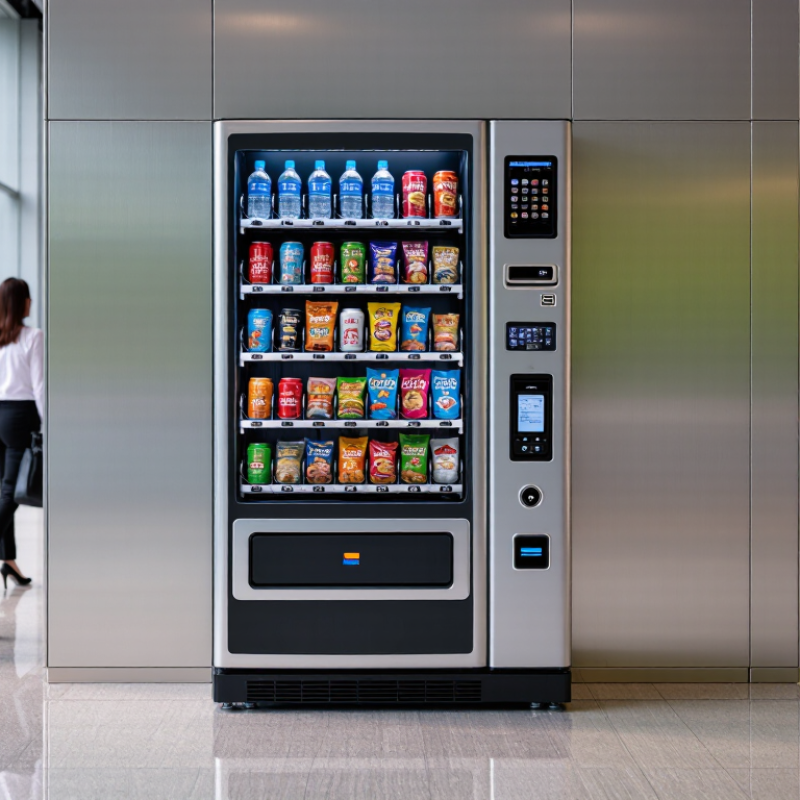
Define Your Vending Machine Needs and Sales Objectives
Before sourcing a vending machine in Singapore, define what it must sell, where it will operate, and how success will be measured. A chilled machine near an office lobby serves a different purpose from a compact unit in a school or condominium. List product sizes, temperature requirements, payment methods, restocking frequency, and available floor space. Measure doorways and lift dimensions, not just the proposed site. I once saw a project delayed because the machine fit the wall but blocked a fire access route. Small details matter.
Set a realistic sales objective using footfall, opening hours, nearby alternatives, and expected conversion rates. Do not rely on optimistic supplier projections. Track a simple target, such as daily transactions, average basket value, or monthly gross margin. Singapore’s dense locations can produce strong traffic, yet rent, electricity, maintenance, payment fees, and spoilage can quickly reduce returns. Ask for service response times, warranty terms, energy data, and transaction reporting before signing. Request a site trial if possible. It reveals queue behaviour and unpopular products better than a presentation. Be honest about uncertainty. Early figures may be incomplete, while weather, construction, or seasonal demand can distort them. Review the numbers after four weeks, then adjust the product mix, pricing, or replenishment plan.
10 Tips for Sourcing a Vending Machine in Singapore - Define Your Vending Machine Needs and Sales Objectives
| Tip | Planning Dimension | Recommended Specification or Target | Why It Matters in Singapore | Information to Confirm Before Purchase |
|---|---|---|---|---|
| 1 | Sales Objective | Set a measurable target, such as 20–40 transactions per day during the first operating period. | A clear target helps determine machine size, product range, restocking frequency, and acceptable operating costs. | Expected foot traffic, nearby competitors, peak hours, average selling price, and permitted operating hours. |
| 2 | Product Category | Choose one primary category: packaged snacks, bottled drinks, chilled meals, fresh food, personal-care items, or convenience products. | Temperature control, hygiene procedures, shelf life, and storage configuration vary substantially by product type. | Product dimensions, packaging type, expiry period, allergen information, and applicable Singapore food-safety requirements. |
| 3 | Machine Format | Select a compact single-temperature machine for limited space, or a multi-zone machine when chilled and ambient products must be separated. | Retail, office, residential, transport, and institutional locations have different space and service constraints. | External dimensions, door clearance, delivery route, lift size, floor loading, ventilation clearance, and installation access. |
| 4 | Capacity and Stock Mix | Plan approximately 30–60 product selections and reserve at least 10% of slots for seasonal or trial products. | A balanced assortment reduces stock-outs while allowing sales data to guide future product decisions. | Number of columns and rows, maximum product dimensions, weight limits, spiral or elevator delivery, and refill time. |
| 5 | Temperature Control | Use ambient storage for shelf-stable goods; use chilled storage only when products require controlled refrigeration, commonly around 2–8°C. | Singapore’s warm and humid climate increases the importance of reliable cooling, condensation management, and temperature monitoring. | Operating temperature range, temperature alarms, recovery time after door opening, energy consumption, and maintenance plan. |
| 6 | Payment Acceptance | Prioritise contactless card payments and Singapore mobile or QR payment options; retain cash acceptance only when the location justifies it. | Cashless payment reduces cash collection work and supports convenient purchases in offices, estates, and transport-linked areas. | Transaction fees, settlement time, payment terminal connectivity, refund process, receipt options, and offline transaction handling. |
| 7 | Electrical and Connectivity Requirements | Confirm compatibility with Singapore’s 230 V, 50 Hz electrical supply and provide stable network connectivity for remote monitoring. | Electrical incompatibility or unreliable connectivity can cause downtime, payment failures, and delayed fault response. | Rated power, plug and socket type, circuit capacity, Wi-Fi or cellular requirements, data charges, and cybersecurity controls. |
| 8 | Location and Customer Profile | Match the assortment and price range to the site’s customer profile, such as commuters, students, office workers, residents, or visitors. | Product demand depends more on customer needs, visibility, accessibility, and dwell time than on machine appearance alone. | Daily pedestrian count, visibility, lighting, security, shelter, nearby food outlets, rental terms, and site-management approval. |
| 9 | Compliance and Accessibility | Use clear English product information, display prices transparently, and verify licensing, food-safety, electrical, and accessibility obligations before installation. | Requirements may vary according to the products sold and the type of premises where the machine operates. | Relevant government approvals, product labels, expiry controls, allergen information, consumer notices, machine height, and access for users with disabilities. |
| 10 | Financial and Service Evaluation | Compare total cost of ownership, including machine price, delivery, installation, rent, electricity, payment fees, maintenance, insurance, and stock wastage. | A low purchase price may not provide the best return if downtime, servicing, or product spoilage is high. | Warranty period, response time, spare-parts availability, preventive maintenance, software fees, replacement policy, and estimated payback period. |
Related Posts
-
How to Purchase a Vending Machine Business in 2026?
-
The Definitive Guide to Achieving Success with Best Vending Machine Solutions
-

Understanding the Snack Machine Business and Its Unique Opportunities
-
Unlocking the Future: How Smart Vending Machines are Revolutionizing Consumer Experience
-

Mastering the Art of Setting Up Your Free Vending Machine for Maximum Profit
-
Unmatched Quality from Leading Chinese Factories for Your Vending Machine Needs