
What Is the Best Vending Machine for Business?
Choosing the best Vending Machines For Business begins with a practical question: what do customers need at a specific location?
A busy office may favor compact machines stocked with bottled water, coffee, nuts, and low-sugar snacks. A warehouse might require larger spirals, stronger cooling, and payment options that work with gloves. Foot traffic matters, but it is not everything. Product turnover, refill access, electricity, security, and maintenance can decide whether a machine quietly earns revenue or becomes an expensive cabinet.
Vending industry consultant Bob Tullio puts the principle simply: “The best vending machine is the one that fits the location, the customer, and the operator’s ability to service it.” That advice deserves attention. A machine with impressive screens can still fail beside a slow elevator. An affordable unit can also disappoint if its payment reader breaks repeatedly.
The strongest choice balances customer experience with dependable operations. Look for transparent sales reports, contactless payment support, temperature control, accessible parts, and responsive technical service. Test the machine before making a larger investment. Watch how people use it.
Small details matter.
This guide compares machine types, product capacity, payment systems, placement needs, operating costs, and maintenance expectations. It also considers a less comfortable reality: the “best” machine may not be the newest model. In some businesses, a simpler unit with reliable service performs better. Results vary, and careful observation should shape the final decision.
Understanding Business Vending Machine Types and Their Uses
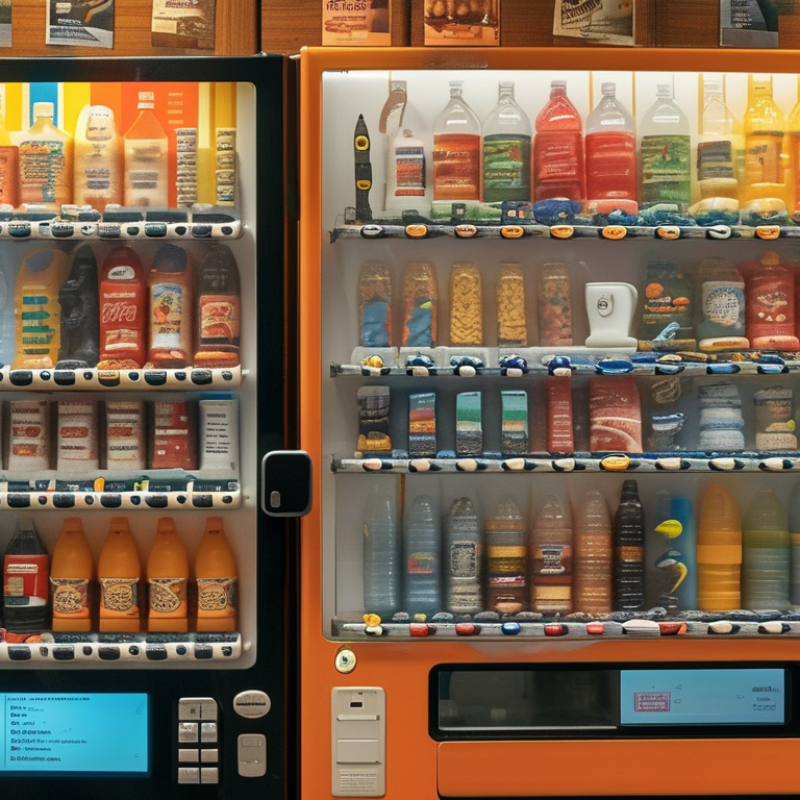
A business vending machine should match a daily customer need, not simply fill an empty corner. The main categories include snack-and-drink machines, refrigerated food machines, and hot-beverage machines. Combination machines suit offices with limited floor space. They can offer bottled water, packaged snacks, sandwiches, and fruit in one cabinet. Refrigerated units need dependable temperature monitoring and frequent stock checks. Fresh food spoils faster.
At a warehouse, cold drinks and filling snacks may sell steadily during shift changes. In a clinic, healthier packaged foods and simple payment options may be more appropriate. A school setting requires careful product selection, clear nutrition information, and strong cleaning routines. Hot-beverage machines work well in offices, hotels, and transport areas where people pause briefly. Placement matters more than many owners expect. A machine hidden behind a door can perform worse than a smaller unit near reception.
Before choosing, check power requirements, delivery access, lighting, payment security, and accessibility. Remote inventory alerts can reduce empty spirals, but they do not replace physical inspections. Operators still need to test card readers, remove damaged products, and record temperature readings. A common planning mistake is overvaluing capacity while undervaluing maintenance time. That mistake becomes expensive. Customer preferences also change. Seasonal demand, employee feedback, and repair frequency should guide later equipment decisions.
Assessing Location, Customer Demand, and Product Selection
What Is the Best Vending Machine for Business? The answer depends on location, customer demand, and product selection. A machine near a hospital needs different inventory than one beside a factory entrance. Before buying equipment, record foot traffic during morning, lunch, and evening shifts. A busy lobby may still produce weak sales if visitors wait only briefly.
Industry data supports careful site testing. NAMA’s 2022 Industry Census estimated U.S. vending sales reached about $25.3 billion in 2021, after a sharp pandemic recovery. The opportunity is substantial. However, broad market growth does not guarantee one profitable location. A quieter workplace with repeat employees may outperform a crowded transport area with unpredictable visitors. I would test one machine for four to eight weeks before expanding. That period can expose inconvenient truths.
Product selection should reflect observed behavior, not personal preference. The 2024 International Food Information Council Food & Health Survey found taste and price remained leading purchase factors, while healthfulness also influenced many consumers. Offer familiar snacks, chilled drinks, water, and a few lower-sugar or higher-protein choices. Keep the range practical. Too many slow-moving products create expired stock and hide weak demand. Review sales weekly, adjust the product mix, and monitor payment failures. Grand View Research valued the global vending machine market at approximately $21.8 billion in 2023, but its growth forecasts cannot replace local evidence. A spreadsheet can look convincing. The empty machine tells the truth.
What Is the Best Vending Machine for Business?
Assessing location, customer demand, and product selection
The planning index combines estimated daily foot traffic, purchase intent, and product-category fit on a 0–100 scale. Transit hubs and office buildings score highest for beverage and snack machines because they offer frequent traffic, time-sensitive purchases, and strong demand for convenient products.
Comparing Machine Features, Capacity, and Payment Options
What Is the Best Vending Machine for Business?
Choosing a vending machine starts with the location, not the appearance. In my experience managing workplace facilities, customer traffic changes sharply between morning and afternoon. A narrow machine suits a hallway, while a larger unit works better in a busy reception area. Capacity should match real demand. Overstocked compartments can leave products warm, stale, or forgotten. Adjustable shelves help fit bottles, cans, and small packaged snacks. Clear lighting also makes products easier to notice. I once chose a larger machine because it seemed more efficient. That assumption was wrong. It consumed more floor space and needed fewer refills than expected.
Payment options can strongly affect daily sales. A practical machine may accept coins, notes, contactless cards, and mobile wallets. Offering several methods reduces missed purchases, especially when customers carry no cash. A backup payment method is useful during network interruptions. Refund controls should be simple and easy to test. Operators should also check transaction security and local accessibility requirements. Remote monitoring can report low stock, temperature changes, or payment errors before customers complain. However, these systems are not perfect. Weak signals can create delayed alerts, so staff still need regular physical checks. I prefer machines with removable trays, clear error codes, and service access from the front. Small design details matter when a technician is working in a crowded corridor. Each month, I compare sales, failed payments, refill time, and customer feedback before changing the product mix.
Calculating Costs, Revenue Potential, and Maintenance Needs
What Is the Best Vending Machine for Business?
Calculating Costs, Revenue Potential, and Maintenance Needs
The best vending machine is not always the largest or most advanced model. Its value depends on location, product demand, and operating costs. A practical budget should include the purchase price, delivery, installation, payment processing, electricity, insurance, permits, and initial inventory. Location changes everything. A machine near offices may sell coffee and quick lunches, while one near a gym may need healthier drinks and smaller portions.
Estimate revenue using realistic daily sales, not optimistic guesses. For example, 35 transactions daily at an average $2.50 sale creates about $2,625 monthly before expenses. Subtract product costs, card fees, restocking labor, rent or commission, taxes, and spoilage. A spreadsheet should also test slower months. Many forecasts fail because they ignore empty weekends, seasonal demand, or products that expire quietly.
Maintenance needs can determine profitability. Choose equipment with accessible parts, clear error reports, secure payment systems, and strong insulation. Inspect refrigeration, lighting, locks, dispensing mechanisms, and payment terminals regularly. Keep a repair reserve. Cleaning may take less than an hour, but missed service can damage customer trust quickly. I would also review sales data every month and remove slow products. That decision can feel premature, yet unsold inventory ties up cash. A reliable machine with moderate sales may outperform a sophisticated model that requires frequent technician visits.
Choosing the Best Vending Machine for Your Business Goals
Choosing the best vending machine for your business starts with your goals, not the machine’s appearance. A compact snack machine may suit an office with limited floor space. A refrigerated unit may work better near a gym, school, or busy transport area. Watch customer behavior for a week. Note peak hours, popular products, and average spending.
Your choice should also match your daily operations. Consider product capacity, energy use, payment options, accessibility, and cleaning requirements. A machine with remote inventory monitoring can reduce unnecessary visits. However, technology is not always the answer. If your team dislikes complicated controls, a simpler model may perform better. I have seen attractive machines underperform because their product selection ignored local habits.
Tips: Measure the installation area carefully. Leave space for opening doors and servicing the unit. Test payment processing before launch. Keep a small emergency stock nearby. Review sales after thirty days, then adjust prices and product placement. Do not assume the first product mix will be perfect. Seasonal demand, weather, and nearby competitors can change results quickly. Choose equipment with clear maintenance instructions and dependable technical support. Check electrical requirements and local operating rules before installation. A practical machine that fits your goals, budget, and staff capacity is usually a stronger investment than the most advanced option.
What Is the Best Vending Machine for Business?
Choosing the best vending machine depends on product mix, location conditions, customer demand, available space, and operating budget.
| Machine Type | Best Business Goal | Typical Products | Typical Capacity | Temperature Range | Typical Footprint | Typical Power Demand | Relative Purchase Cost | Operational Considerations |
|---|---|---|---|---|---|---|---|---|
| Snack Vending Machine | High-margin packaged snacks in offices, schools, and waiting areas | Chips, candy, cookies, nuts, granola bars, and shelf-stable meals | Approximately 30–60 product selections; 150–400 individual items | Ambient; usually not refrigerated | About 0.8–1.2 m² of floor space | Approximately 0.2–0.8 kWh per day, depending on lighting and controls | Low to medium | Generally simple to operate; product expiration dates and coil compatibility require regular checks |
| Cold Drink Vending Machine | Fast sales of beverages in high-footfall indoor or outdoor locations | Bottled water, soft drinks, juice, sports drinks, and energy drinks | Approximately 150–500 containers, depending on configuration | Usually about 2–10°C for chilled products | About 0.9–1.4 m² of floor space | Approximately 2–8 kWh per day, affected by ambient temperature and door-opening frequency | Medium | Requires reliable electrical service, condenser cleaning, temperature monitoring, and heavier restocking loads |
| Combo Snack and Drink Machine | One-machine coverage where space is limited but product variety matters | Packaged snacks, bottled drinks, canned drinks, and small convenience items | Approximately 25–50 selections; 150–350 individual items | Ambient snack section with a chilled drink section | About 1.0–1.6 m² of floor space | Approximately 3–10 kWh per day when refrigeration is active | Medium to high | Versatile but more complex to stock; shelf and temperature zones must be planned carefully |
| Fresh Food Vending Machine | Meal and convenience-food sales in workplaces, hospitals, campuses, and transport hubs | Sandwiches, salads, wraps, fruit cups, yogurt, and prepared meals | Approximately 20–60 refrigerated compartments or product slots | Typically about 0–5°C for refrigerated food | About 1.0–1.8 m² of floor space | Approximately 5–15 kWh per day, depending on refrigeration design and environment | High | Requires strict temperature control, frequent replenishment, food-safety procedures, and waste management |
| Coffee and Hot Beverage Machine | On-demand beverages in offices, hotels, hospitals, and service areas | Coffee, tea, hot chocolate, cappuccino, and powdered or liquid milk drinks | Approximately 100–300 servings per refill cycle | Heated water commonly maintained near brewing temperature | About 0.4–1.0 m² of floor space | Approximately 1–6 kWh per day, depending on standby settings and usage | Medium to high | Needs a water source or refillable reservoir, sanitation routines, ingredient replenishment, and waste-tray cleaning |
| Specialty or Micro-Market Kiosk | Larger sites that need broader selection and self-service shopping | Snacks, drinks, fresh food, household essentials, and prepared meals | More than 100 product selections across multiple shelves or cabinets | Ambient and refrigerated zones can be combined | Typically 2–10 m², depending on the layout | Approximately 8–30 kWh per day when refrigeration and multiple devices are used | High | Offers greater assortment but requires more floor space, inventory control, security, and regular replenishment |
| Outdoor-Rated Vending Machine | Sales in parks, transit areas, sports venues, and uncovered public locations | Packaged snacks, bottled drinks, personal-care items, and convenience products | Approximately 30–60 selections; capacity varies by product size | Ambient or refrigerated, depending on the model | About 1.0–1.6 m² of floor space | Approximately 3–12 kWh per day for refrigerated configurations | Medium to high | Requires weather protection, strong anchoring, vandal-resistant construction, lighting, and more frequent maintenance |
Planning note: Capacity, energy use, dimensions, and cost vary by machine size, climate, product mix, refrigeration system, payment technology, and usage frequency. Confirm technical specifications with the equipment supplier before purchase.
Related Posts
-
How to Choose the Best Vending Machine Products?
-
Top 10 Vending Solutions in China for Global Buyers?
-
7 Unique Reasons to Choose the Best It Vending Machine for Your Business
-

Innovative Choices for Global Buyers Looking to Invest in Vending Machines
-
What Makes Vending Solutions Essential for Modern Retail Businesses
-
The Definitive Guide to Achieving Success with Best Vending Machine Solutions