Top Smart Vending Machine Manufacturers in China
China’s smart vending industry serves retailers, offices, campuses, transport hubs, and other locations with varied needs. Local manufacturers offer machines for snacks, drinks, fresh food, and mixed-product retail. Their options can include touchscreen ordering, cashless payment, remote inventory monitoring, and temperature control. Capabilities differ by model, so a feature list alone tells only part of the story.
This guide introduces Smart Vending manufacturers in China and the practical points buyers can compare. Look at product range, customization, production capacity, software compatibility, quality checks, and after-sales support. Ask how the supplier tests refrigeration, payment functions, and restocking access. Details matter. A polished demonstration should not be treated as proof of reliable performance across different locations. Request specifications, sample videos, and clear warranty terms before making a decision.
The right manufacturer depends on the products sold, expected customer traffic, installation environment, and service plan. A machine designed for bottled drinks may not suit delicate fresh items. Nor does the lowest quoted price always represent the best long-term value. Buyers should confirm communication arrangements, spare-parts availability, and delivery expectations directly with each supplier. These checks are not glamorous, but they can prevent costly surprises. Some specifications may still need clarification during discussions; that is a reason to ask better questions, not to assume. The sections ahead offer a structured starting point for comparing Chinese manufacturers with care and choosing a partner suited to a real operating site.
What Defines a Smart Vending Machine Manufacturer?
What Defines a Smart Vending Machine Manufacturer?
A capable manufacturer does more than assemble a cabinet and install a payment screen. It understands how hardware, software, and daily servicing work together. Look for practical testing: repeated door cycles, temperature checks, payment simulations, and network interruptions. These tests reveal weaknesses before machines reach busy locations. Ask how the manufacturer handles spare parts, software updates, and fault reports. Clear answers matter. So does evidence, such as test records and realistic service response times. A polished demonstration alone is not enough.
Tips: Request a live demonstration using the machine’s actual interface. Check whether stock alerts identify specific shelves or only report low inventory. Ask what happens when connectivity drops. A useful answer should explain both local operation and later data syncing.
Strong manufacturers also listen to operators. They should consider product dimensions, refill routines, cleaning access, and the space needed to open service panels. Ask for references from installations with similar traffic and operating conditions. I would not judge quality by feature count alone; extra functions can add maintenance work. Some details are easy to miss during a sales meeting. A small trial can expose them. Look for a partner willing to discuss limitations, not just promised performance.
China’s Smart Vending Machine Industry and Market Structure
Top Smart Vending Machine Manufacturers in China
China’s Smart Vending Machine Industry and Market Structure
China’s smart vending market is built around more than machine production. It connects equipment manufacturers, software providers, route operators, and property owners. The China Chain Store & Franchise Association’s 2023 China Convenience Store Development Report estimated convenience-store sales at RMB 383.4 billion in 2022. This adjacent retail channel shows the scale of competition for convenient, everyday purchases. Vending operators often target office lobbies, transport hubs, campuses, and residential compounds. A glass-fronted machine may look simple, but reliable restocking and site access shape its real performance.
Manufacturers typically compete on payment options, remote inventory monitoring, refrigeration, and service support. Operators, meanwhile, weigh rent, product turnover, and replenishment distance. It is uneven. A machine with strong software can still lose money in a low-traffic corridor. Market structure also varies by city: dense urban districts can support frequent restocking, while smaller markets may need simpler product ranges. Public reports do not always separate smart machines from conventional vending units, so market-size claims deserve scrutiny.
Tips: Ask suppliers for field data on uptime, payment success, and cooling performance. Check how quickly spare parts arrive. Small details matter. A pilot at one real location can reveal problems that a showroom demo may miss.
Criteria for Identifying Leading Manufacturers
A leading smart vending machine manufacturer should offer more than a low quote and an attractive screen. Check its experience with the machine type you need, whether that means chilled drinks, fresh meals, or mixed products. Ask how temperature stability is tested during a full operating day. Request component specifications, service records, and references from installations with similar foot traffic. Verify relevant safety certifications and test reports independently. Vague answers are a warning.
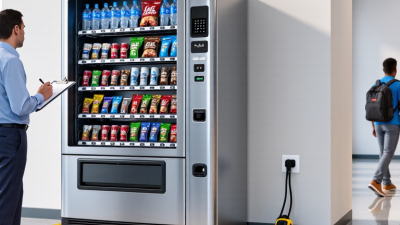
Tips: If possible, inspect a working unit. Test a payment, restock a shelf, and trigger a fault alert. Test it live. Note how quickly the machine responds and whether the steps are clear to an operator.
Also assess after-sales support before signing an order. Ask which spare parts are stocked locally, how technicians handle service requests, and what remote monitoring can actually report. Confirm that payment systems can integrate with your chosen providers. A polished demonstration cannot prove long-term reliability, so consider a small pilot before a large rollout. No checklist catches every problem; that is worth admitting. Track faults, restocking time, and temperature readings during the pilot, then compare the results with the manufacturer’s claims.
Major Smart Vending Machine Manufacturers in China
China’s major smart vending machine manufacturers serve different needs, from compact office units to refrigerated machines for busy transit sites. Many combine cabinet production, control software, payment interfaces, and remote monitoring. Buyers should check which parts are made in-house and which rely on outside suppliers. The distinction matters.
A practical evaluation starts with the products being sold. Fresh food needs stable cooling, clear temperature records, and easy-to-clean shelves. Packaged goods require reliable spirals or lift systems, accurate stock counts, and sensors that detect failed deliveries. Ask manufacturers for test results under realistic conditions, not only showroom demonstrations. A machine that works well for ten purchases may behave differently after a full day of use.
Service arrangements deserve equal attention. Confirm spare-part availability, software update procedures, response times, and who handles installation. Request a small pilot with real products and actual foot traffic. Track failed transactions, restocking time, and temperature fluctuations. These details reveal more than a feature list. A polished brochure can still leave important questions unanswered; even experienced buyers sometimes underestimate the cost of routine maintenance.
Comparing Product, Technology, and Service Capabilities
When comparing smart vending machine manufacturers in China, look beyond cabinet size and touchscreen design. A useful product should match the goods, location, and expected daily traffic. Check shelf dimensions, temperature control, payment options, and how quickly staff can restock it. Ask to see a sample sales report, not just a product brochure.
Technology needs to work reliably during ordinary use. Test the interface with wet fingers, slow network access, and a failed payment scenario. Ask how inventory alerts, remote diagnostics, and software updates are handled. A polished dashboard is helpful, but it cannot replace clear fault records. Compare energy use and parts availability, too. These details are easy to overlook. No comparison is perfect: performance in a showroom may differ from a busy hallway or outdoor site.
Tips: Request a live demonstration using your products. Confirm response times, warranty terms, and local maintenance coverage in writing. Ask who handles installation and staff training. Service quality often becomes visible only after a machine stops cooling or dispensing correctly. Check references from operators with similar locations, while remembering that their conditions may not match yours.