Top 10 Tips for Starting a Successful Vending Machine Business
Starting a Vending Machine Business can be an exciting and profitable venture for aspiring entrepreneurs. With the convenience of automated retail and the growing demand for quick snacks and beverages, this business model offers a unique opportunity to tap into a real-time market that is constantly evolving. However, embarking on this journey requires careful planning, research, and execution.
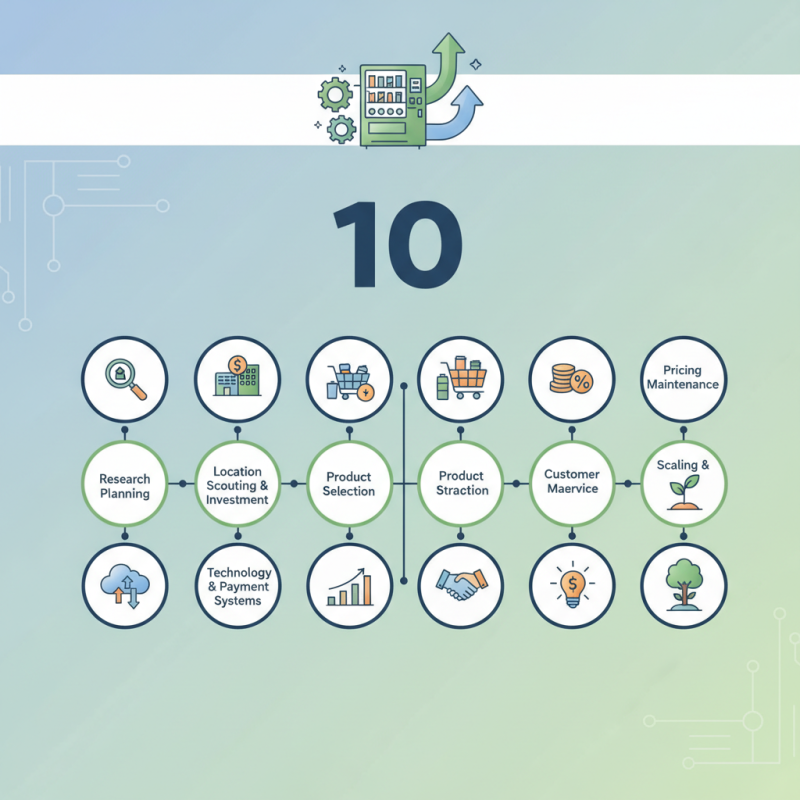
In today's fast-paced world, more consumers are seeking efficient ways to satisfy their cravings without the need for traditional shopping experiences. This shift in behavior makes the Vending Machine Business particularly appealing, but success does not come automatically. Understanding the nuances of product selection, location scouting, pricing strategies, and customer service are crucial for optimizing operations and maximizing profits.
This guide will provide you with essential tips and insights, drawing from industry best practices and successful case studies, to help you navigate the complexities of starting and growing your own vending machine enterprise. Whether you are a seasoned entrepreneur or a novice in the retail landscape, these pointers will set the foundation for your successful journey in the vending machine market.
Understanding the Vending Machine Business Landscape
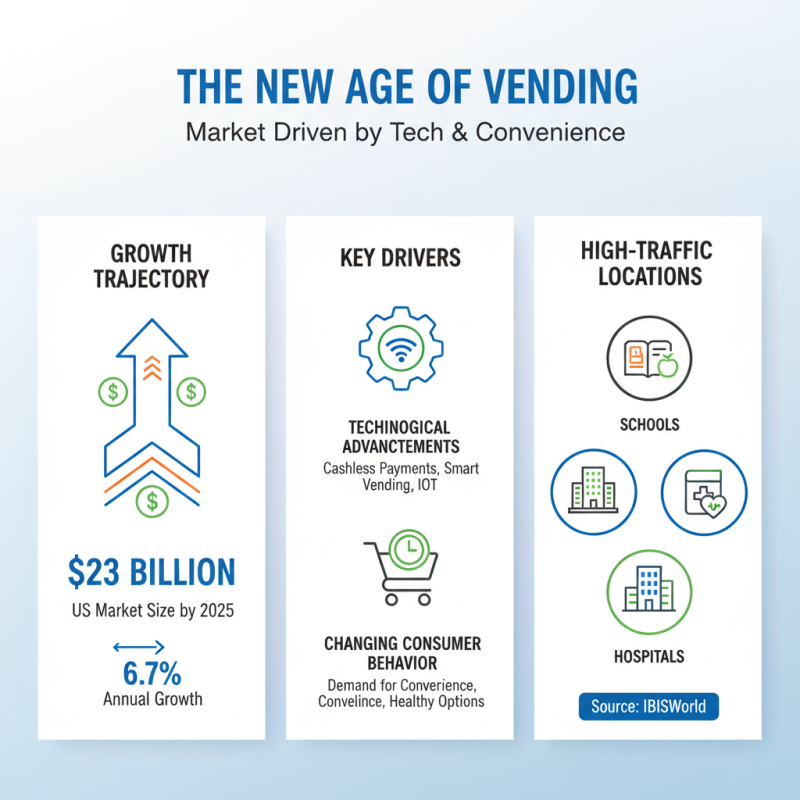
The vending machine business landscape has evolved significantly in recent years, driven by technological advancements and changing consumer behavior. According to IBISWorld, the vending machine industry in the United States is expected to reach a market size of $23 billion by 2025, growing at an annual rate of 6.7%. This growth can largely be attributed to the increasing demand for convenient snack and beverage options, especially in high-traffic areas such as schools, office buildings, and hospitals.
Understanding the nuances of the vending machine market is crucial for anyone considering entering this field. A recent report by Statista highlighted that nearly 60% of consumers prefer vending machines for their convenience and accessibility, indicating a significant opportunity for profit. Additionally, the rise of cashless payment options, with approximately 40% of transactions now being contactless, reflects a shift in consumer preferences towards quicker and more efficient purchasing methods. Entrepreneurs looking to succeed in this business must leverage these trends by selecting strategically located machines and offering popular, health-conscious products to meet evolving consumer demands.
Identifying Profitable Locations for Your Vending Machines
Identifying profitable locations for your vending machines is crucial for the success of your business. The key is to target high-traffic areas where people are likely to seek quick snacks or drinks. Locations such as schools, office buildings, hospitals, and gyms are prime spots. Schools attract students, especially during breaks, while office buildings provide a steady stream of employees looking for convenience. Additionally, placing machines in hospitals can cater to visitors and staff who need quick refreshments during long hours.
Another important consideration is the demographic of the location. Understanding the preferences and needs of your target audience can significantly influence your sales. For example, a gym might be more suited for health-oriented products, while a school may require a mix of traditional snacks and beverages. It's also beneficial to observe peak hours and adjust your restocking schedule accordingly to ensure that your machines are always well-stocked during busy times. By strategically selecting and analyzing locations, you can maximize the potential of your vending machine business.
Selecting the Right Products to Stock for Maximum Sales
When starting a vending machine business, one of the most critical factors for success is selecting the right products to stock. To maximize sales, operators should consider consumer preferences, seasonal trends, and local demographics. Offering a well-curated selection that aligns with the tastes and needs of the target audience can significantly boost the likelihood of repeat customers. For instance, in areas with a focus on health and wellness, stocking organic snacks and beverages can attract health-conscious consumers.
Additionally, leveraging data can enhance product selection. By analyzing local sales trends and customer feedback, vending machine owners can make informed decisions about which items to keep in stock and which to rotate out. This approach mirrors strategies seen in different industries, where data sharing and consumer insights play pivotal roles in product relevance and market reach. Adapting to changing consumer behaviors and preferences ensures that the vending machine offerings remain competitive and appealing.
Establishing a Budget and Financing Your Vending Machine Venture
Starting a vending machine business can be a lucrative venture, but establishing a solid budget and financial framework is crucial for success. According to recent industry reports, the vending machine market is projected to reach $25 billion by 2027, with a CAGR of 6.3% from 2020 to 2027. This growth presents a significant opportunity for new entrants, but it also requires careful planning, especially when it comes to financing.
When setting up your vending machine business, it's important to define your budget by calculating both initial and ongoing costs. Initial expenses may include purchasing vending machines, securing locations, stocking products, and obtaining any necessary permits. A report by the National Automatic Merchandising Association suggests that the average cost of a vending machine ranges from $3,000 to $10,000, depending on the type and technology. Moreover, financing options such as bank loans, equipment financing, or even grants from local business development programs can provide the necessary capital to get started.
Additionally, monitoring your cash flow and understanding the profitability of your machine locations is essential. Implementing a robust financial management system can help track expenses, sales, and profits, allowing you to optimize your operations. With the right budgetary controls and financing strategies, you can navigate this competitive market and position your vending machine business for long-term success.
Vending Machine Business Start-up Costs
Maintaining and Promoting Your Vending Machines for Success
Maintaining and promoting your vending machines effectively is crucial for long-term success in the vending machine business. Research from the National Automatic Merchandising Association indicates that well-maintained machines can generate up to 25% higher sales compared to those that are neglected. Regular maintenance not only keeps machines operational but also enhances customer trust. Schedule frequent inspections to ensure that machines are stocked, cleaned, and functioning properly. This proactive approach minimizes downtime and maximizes revenue.
Promotion is equally essential in this competitive market. Utilize social media platforms and local advertising to generate awareness around your vending machine locations. Consider placing signage that indicates what products are available, which can attract foot traffic. Additionally, incorporating loyalty programs or promotions can incentivize repeat customers. According to a report by IBISWorld, businesses that actively engage in marketing efforts can see a 15-20% boost in sales. Make sure to effectively communicate any promotions or changes to your offerings, as this can keep your vending machines appealing and relevant to consumers.